





Safe Crack Removal in ATEX Zones

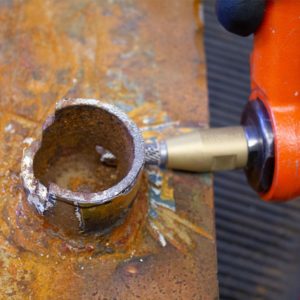
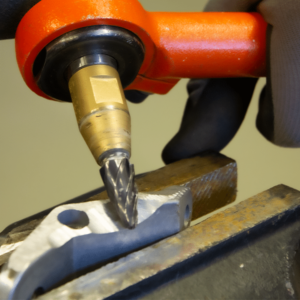
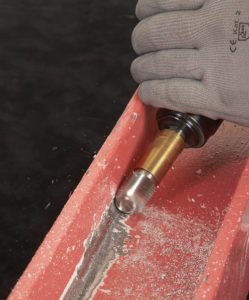
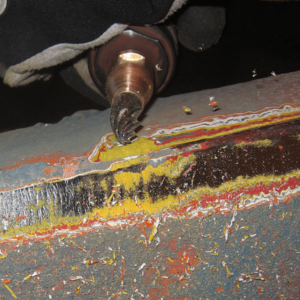
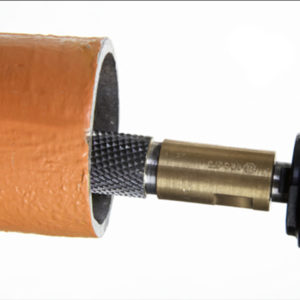
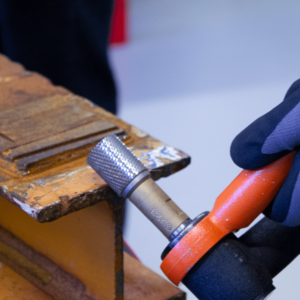
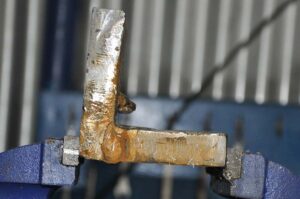
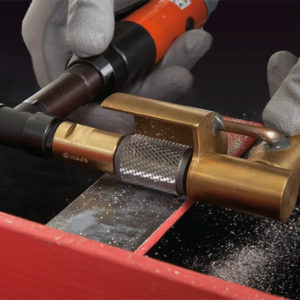
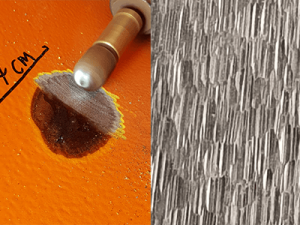
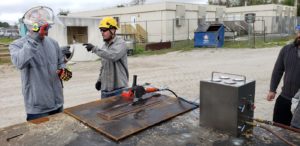
Follow and grind out cracks with grinding tools, perfect for checking the depth of ongoing cracks in steel.

Tags: Corrosion maintenance / cutting / Destructive testing (DT) / Destruktiv testing / grinding

Controlled Crack Removal in Hazardous Areas

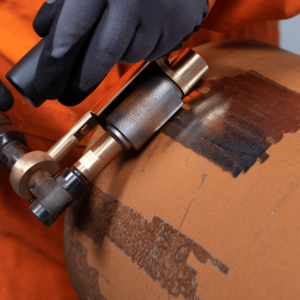
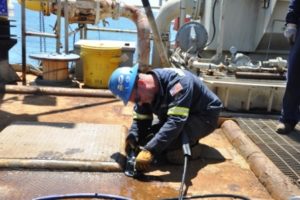
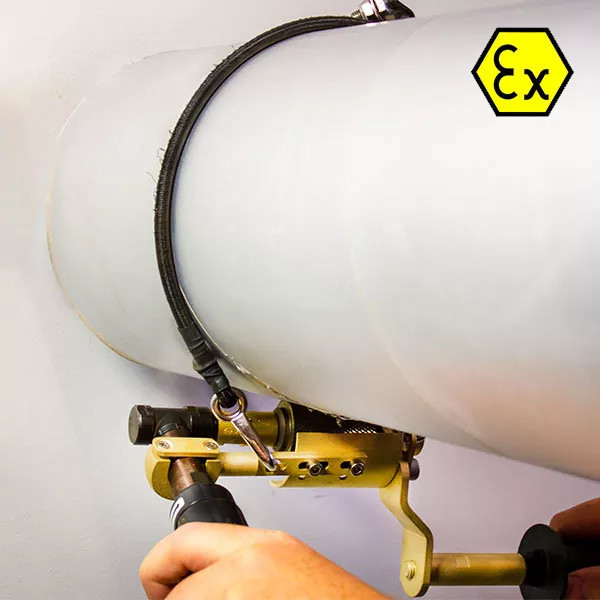
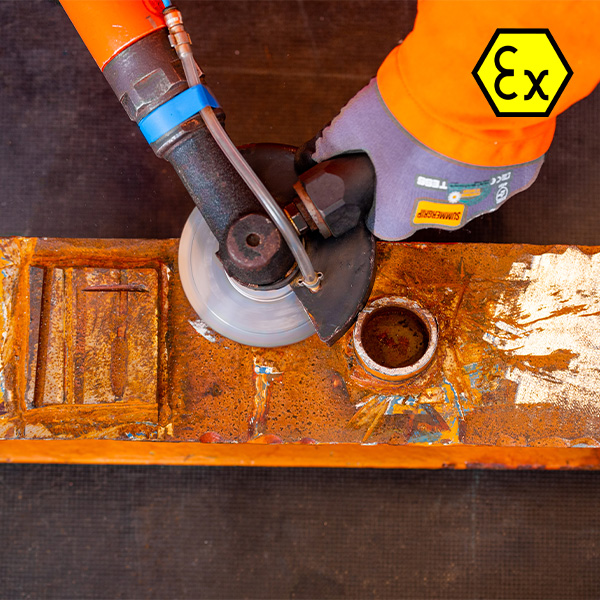
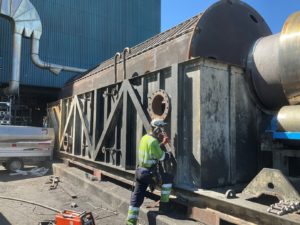
Crack removal in explosive environments requires a controlled process, precise tools, and continuous temperature monitoring. This case demonstrates how cracks can be followed and removed safely using ATEX-certified grinding and cutting tools, while monitoring both tool temperature and substrate temperature throughout the operation.

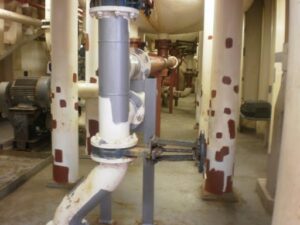
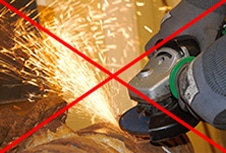
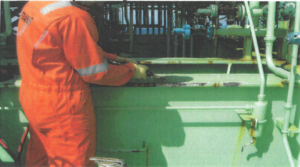
The method shown is suitable for maintenance and repair work in ATEX gas zones 1 and 2, where heat generation, sparks, and loss of control must be minimized.

Requested scenario from customer

Customer-Requested Crack Removal Scenario

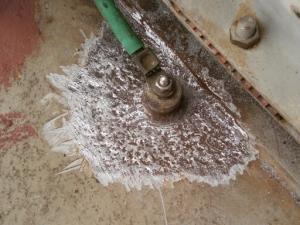
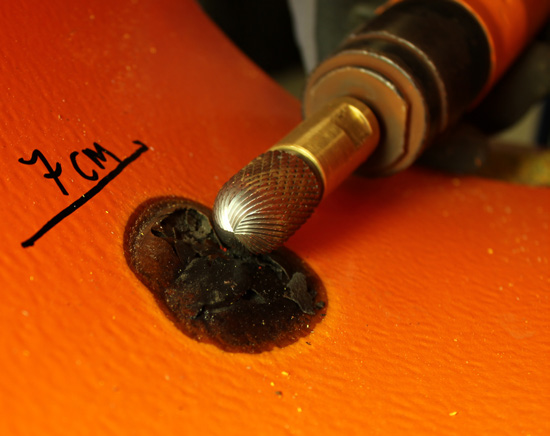
In this scenario, the objective is to follow existing cracks and grind them out accurately, ensuring full crack removal without unnecessary material loss.

During the operation:

  • Cracks are followed precisely using suitable grinding profiles

  • Temperatures are monitored continuously

  • Substrate temperature is checked to prevent overheatingThe process remains controlled and repeatable

This approach is commonly used in structural repairs, industrial maintenance, and inspection-driven corrective work.

ATEX-Certified Tools Used for Crack Removal

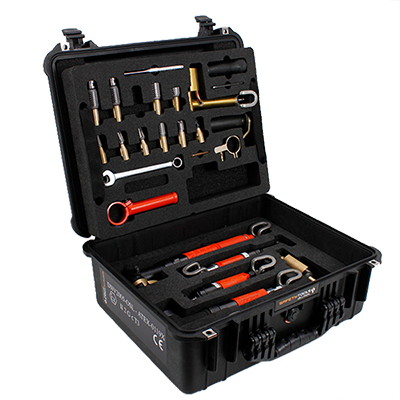
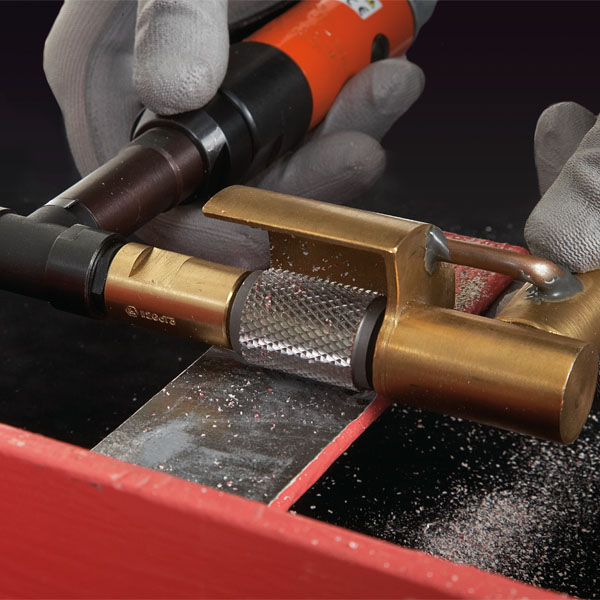
Grinding tools

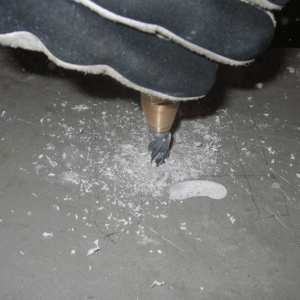
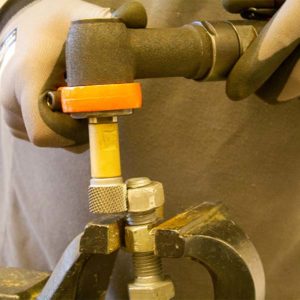
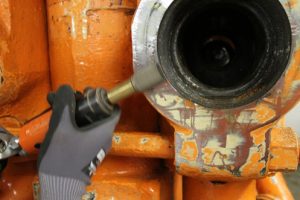
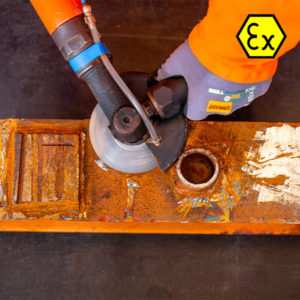
The following grinding tools are used to follow and remove cracks with precision:

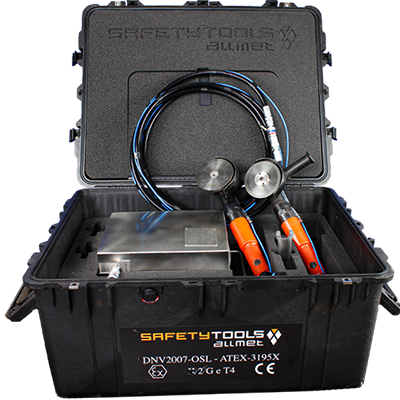
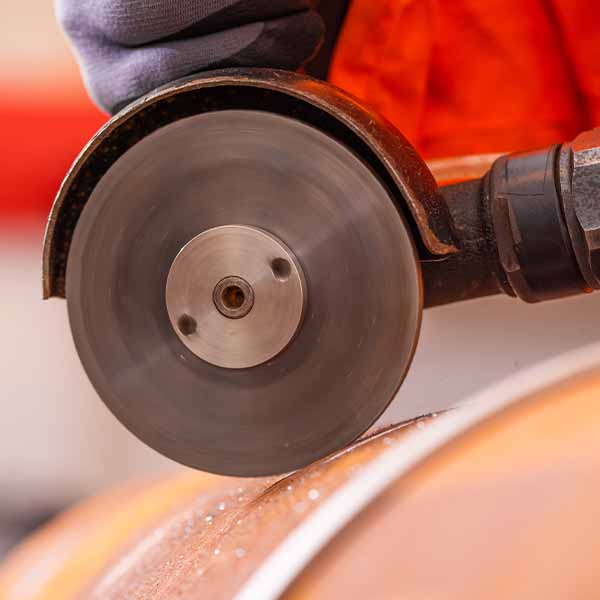
Cutting tools

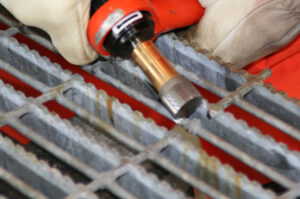
For opening or removing material around cracks, the following tools are used:

Demonstration of Crack Removal in ATEX Environment

The video below demonstrates the crack removal process step by step, showing tool selection, working technique, and temperature control during operation.


Safe Crack Removal With Temperature Control

By combining the correct grinding profiles with ATEX-approved cutting tools, cracks can be removed efficiently while maintaining full control over heat input.

Continuous temperature monitoring ensures:

  • Reduced risk of ignition in explosive atmospheres

  • Protection of the base material

  • Compliance with ATEX work procedures

This makes the method suitable for demanding industrial environments where safety and precision are critical.