


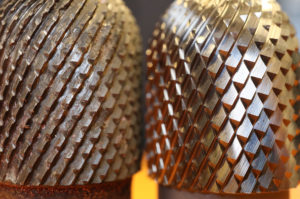
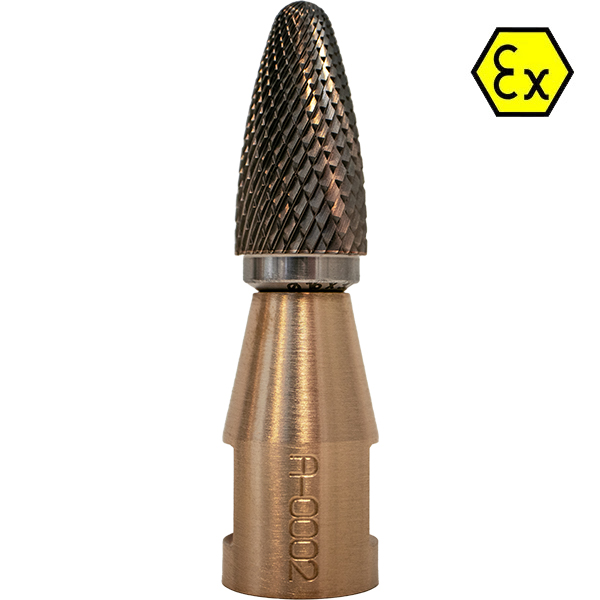
A-0002 · corners and details
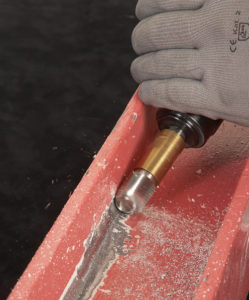
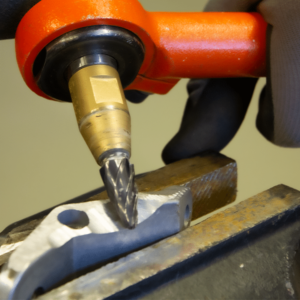
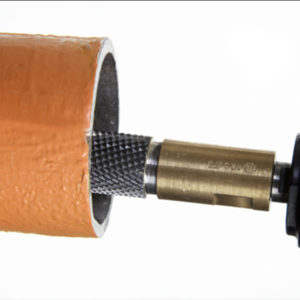
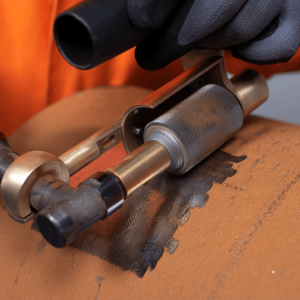
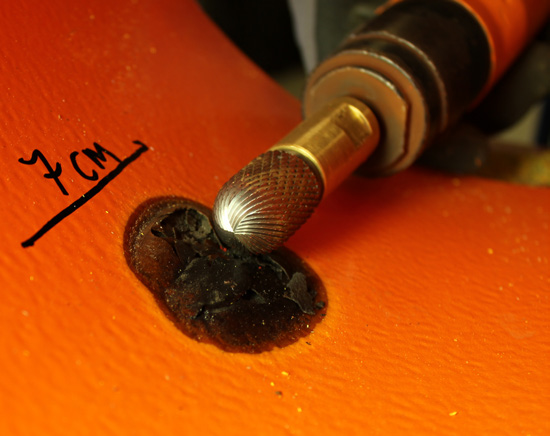
The Bow Cone file featured in the published floating roof case. Select a compatible machine.
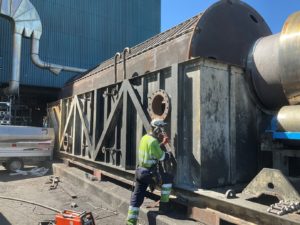
Tank roofs, pipework and fittings call for different access and preparation methods. We supply cold grinding and water-cooled cutting systems to help you plan the specific repair and assess the total job cost.

Local corrosion, seams and penetrations need tools that fit the detail. Define the defect and choose a suitable contact shape.
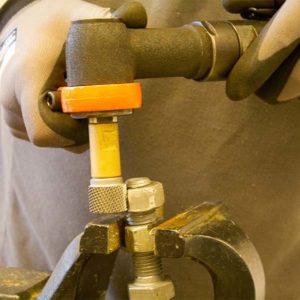
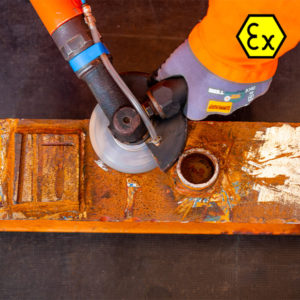
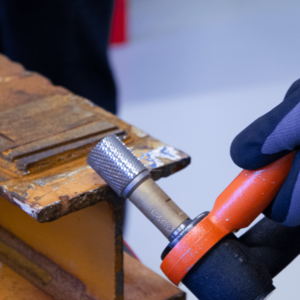
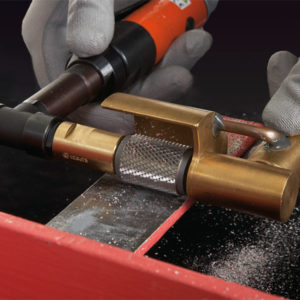
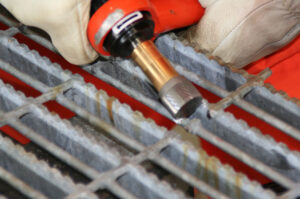
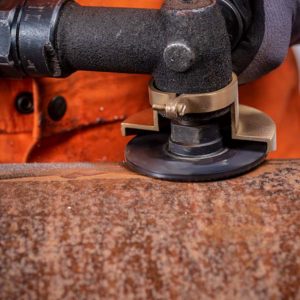
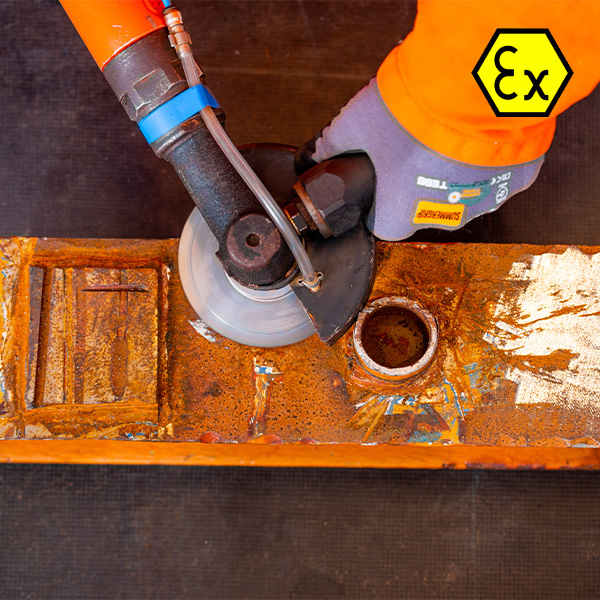
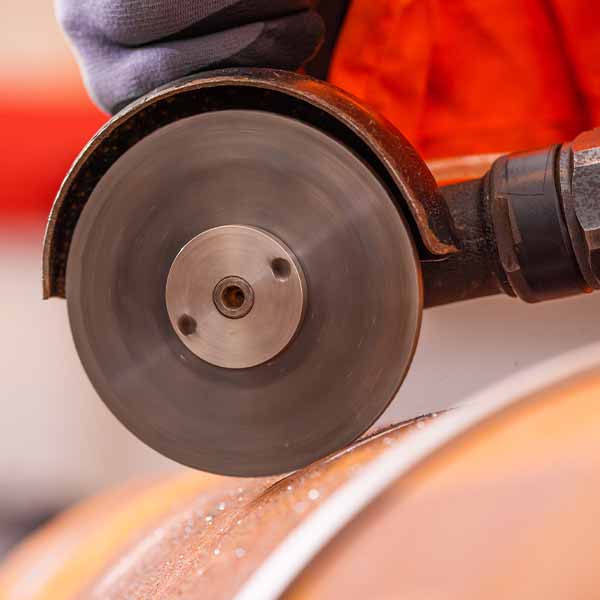
Discs suit accessible surfaces, while files offer different access around edges, corners and bolts. Let access and the required finish guide the choice.
Curved surfaces and tight transitions need the right file shape. Steel cutting and weld removal require a separate water-cooled system.
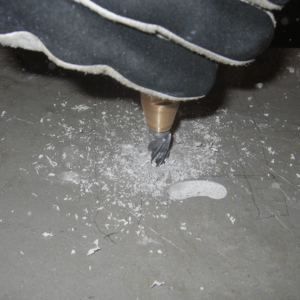
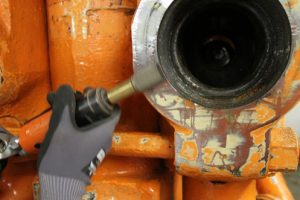
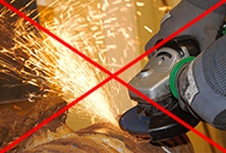
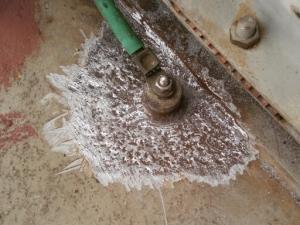
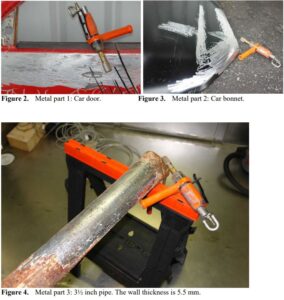
For rust and coating removal, we use pneumatic machines with rotating tungsten carbide files and discs. Our grinding systems operate without water cooling. A-0047 offers several machine and tool options for tasks involving both open surfaces and details.
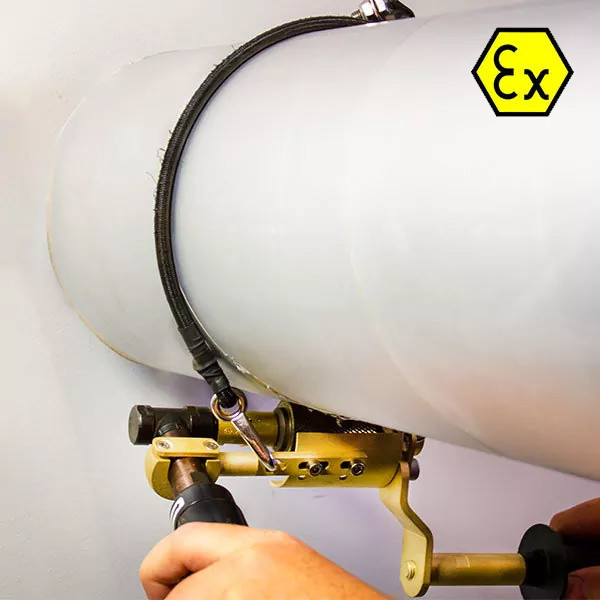
For steel cutting or weld removal, A-0300 provides a different starting point. This system requires water cooling. Include the water supply, hoses and cooling box position when planning access and mobilisation.
For hazardous-area work, select the setup against the applicable zone, gas group and temperature class. We supply documentation for the specific combination. View certificates and test documentation.
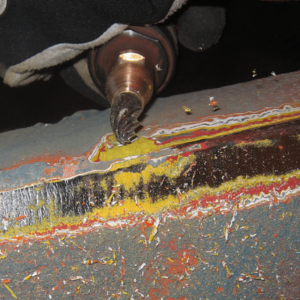
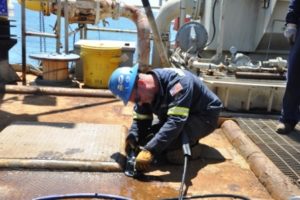
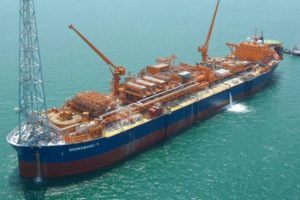
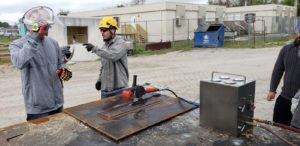
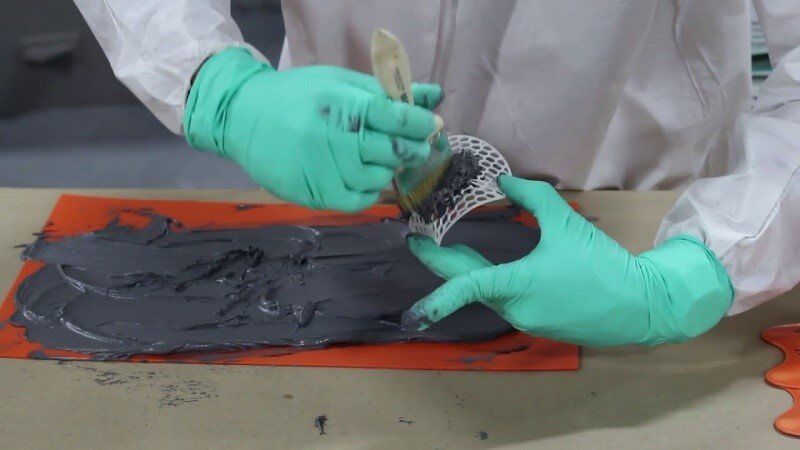
Our published Perspect case describes the use of A-0002 Bow Cone during surface preparation for a floating roof repair at a refinery in Antwerp. The file shape was relevant to the area being prepared.
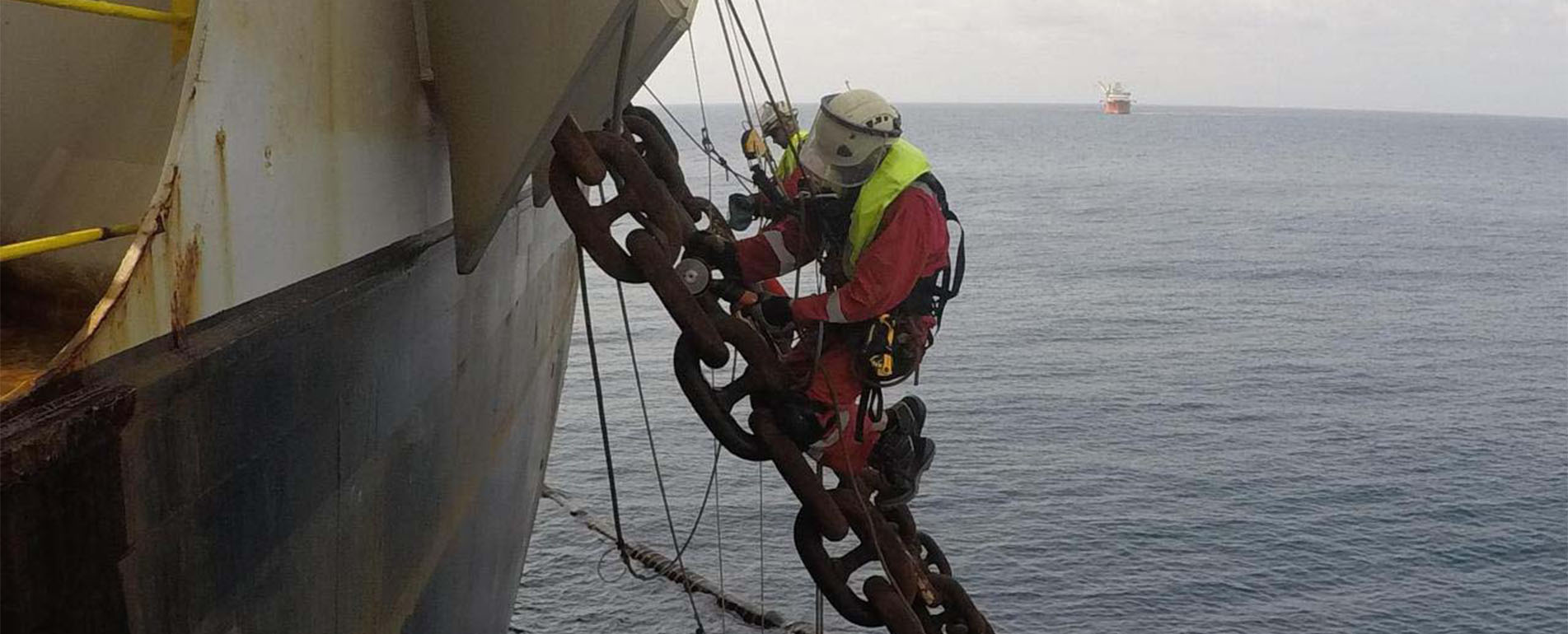
The case illustrates mechanical preparation as one stage in a wider repair system. Work on an operating tank needs a project-specific assessment. Read the floating roof repair case study.
| Task | Include in the comparison |
|---|---|
| Local rust and coating removal | Compare needle scaling, grinding and our tools against the same requirements for cleanliness, profile and coating transitions. |
| Large continuous surfaces | Assess whether blasting or another method better suits the scope. Choose local hand tools around the work area and available access. |
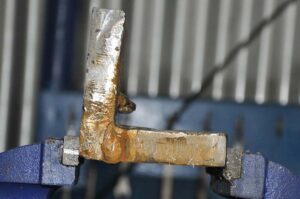
| Cutting and weld removal | Compare the complete setup, including access, cooling water, protection and method-specific controls. Establish hot-work permit or habitat requirements for the task. |
Identify the substrate, coating, defect extent and access. Separate surface preparation from any cutting work.
Account for personnel, hoses and supplies, preparation, cleaning and inspection before the next repair stage.
Compare a representative area with the current method. We can help select tools and arrange a demonstration.
The Bow Cone file featured in the published floating roof case. Select a compatible machine.
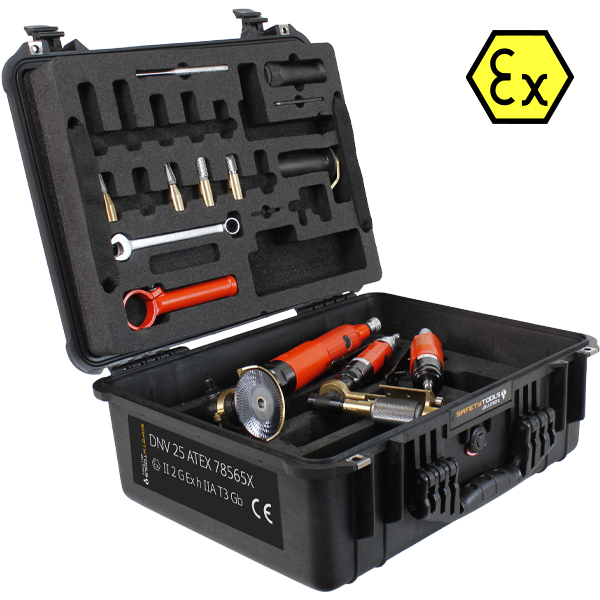
A kit with several machines, files and A-0500 for different work areas.

A separate steel cutting and weld removal system with mandatory water cooling.
This depends on the repair and the site’s assessment of tank condition, contents, zone and work arrangements. The case study describes one project; it is not general approval for work on operating tanks.
No. Grinding systems and the water-cooled cutting and weld removal system have different operating conditions. We can help you specify the right setup.